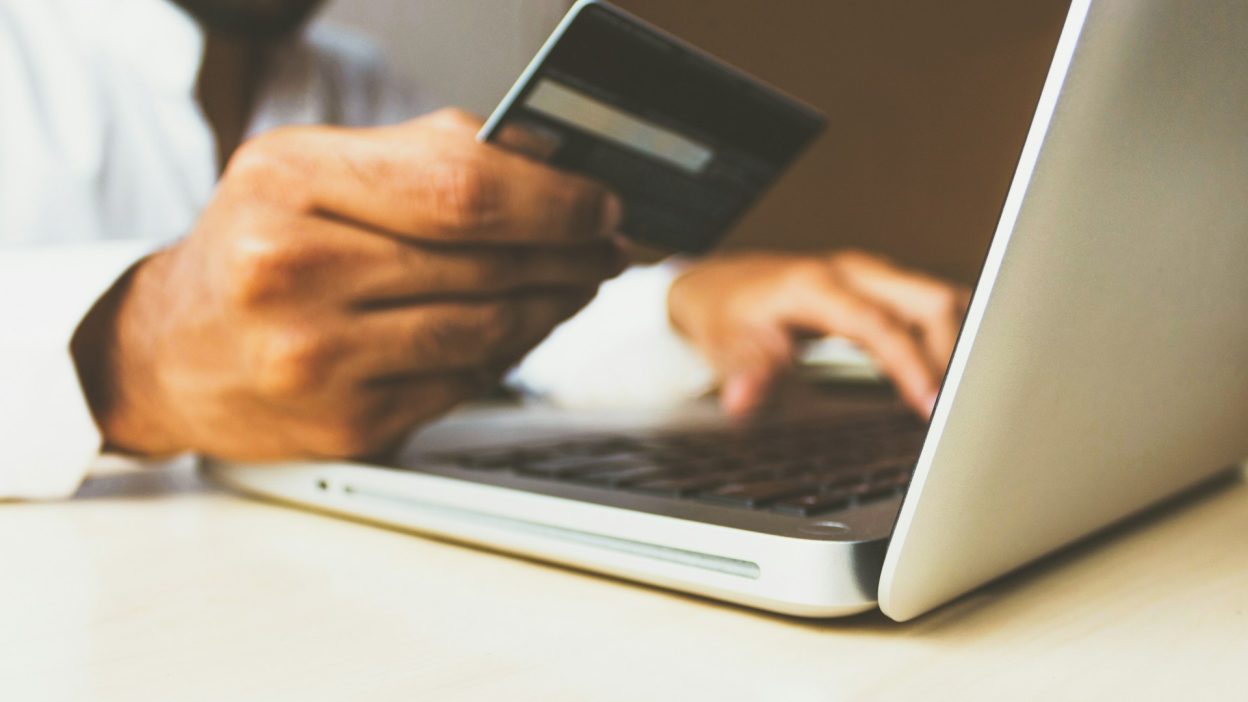
Imagine yourself scrolling through your bank statement with a cup of coffee in hand and out of habit, you begin to scan through the transactions, and suddenly an unfamiliar charge surprises you.
Are there any other expenses that you did not authorize?
Did someone steal your card?
Do not panic. These kinds of expenses are more common than you would anticipate and the good news is that your card has not been hacked and there are definite and clear steps you can follow to remedy the situation.
In cases like these, the very first thing you should do is:
Check transaction
Before anything else, step back and consider that there might not be anything suspicious at all. As we know, some merchants use different names for billing which can lead to legitimate charges looking dubious.
Try scanning your emails for any available receipts and if you have shared your card with any other family member, ask them if they may have used it.
Get in touch with the service provider
In case the expense was made with a vendor that you recognize, but something does not seem right, don’t think twice and contact support. They should be able to assist you with identifying what went wrong with the charge and in the unfortunate event that you do not receive adequate help, you will at the very least know who to blame.
Notify your bank or card issuer
If the charge was made fraudulently, make sure you call your bank right away. Most banks and other financial institutions have zero liability policies when it comes to unauthorized transactions, which means you can’t be held liable. A quick investigation will reveal the truth.
Did you know that a bank only gets roughly 56% of fraudulent credit card transactions? The faster you report unauthorized charges, the more money you are likely to retrieve.
Monitor your account
That one suspicious charge can serve as the tip of the iceberg. Scammers tend to test the waters with small transactions before going all in and making larger purchases. **Pay attention to your account** in the next few weeks and make sure you turn on transaction alerts if you haven’t done so already.
Did you know that 60% of charges that are disputed turn out to be a misunderstanding? Checking once before taking action will save time and effort on your end.
Change your card details
Your bank might recommend changing your card details and issuing you a new one. While this is very inconvenient, this step protects you from more transactions that you haven’t authorized. If possible, make sure to change your passwords and switch on two-factor authentication.
Report the fraud publicly
If you want to capture a company’s attention, a public complaint will work wonders. These companies tend to take issues more seriously when they can see that it is being openly discussed and their reputation is in jeopardy. Posting a complaint on review sites like ComplaintsBoard.com helps increase the chances of faster resolution of the problem while serving as a warning for other consumers.
File a dispute with consumer protection agencies
When the merchant is uncooperative or your bank doesn’t pay attention to your fraud claim, you may escalate the concern to consumer protection agencies in your region. The U.S. FTC organization or the Financial Ombudsman in the U.K. can assist in these matters.
Did you know that in some countries banks must refund a fraudulent transaction when reported within 60 days? Knowing your rights can greatly help in disputing a claim that seems unjust.
Noticing an unauthorized charge can surely be annoying and frustrating, but acting right away can change the situation completely. The most important thing is to be proactive: check on your accounts, report the fraud immediately, and use services like ComplaintsBoard.com to make the businesses responsible.
Author: Emily Hartman

Emily is a passionate writer with more than 10 years of experience writing about consumer rights and financial literacy. She is an expert in preventing fraud, information security, and personal finance. When she’s not busy writing, Emily loves climbing and trying out new budgeting apps that help people control their finances smarter.